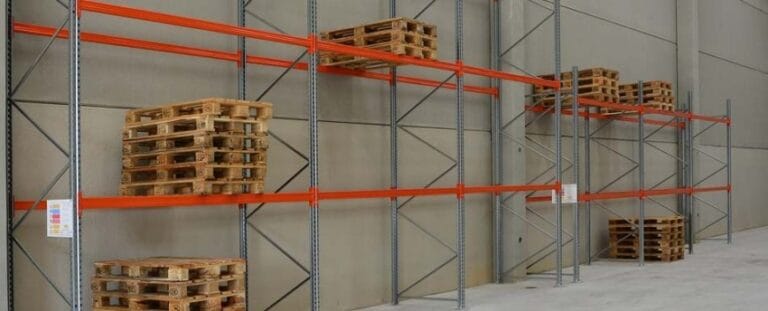
Choosing the right pallet for your business’s specific needs is crucial for transporting your products safely and efficiently. You already know how sought-after and important pallets are. They are a staple commodity in their own right, because they play a critical role in logistics: they do not just support goods, they also protect them during handling and transport.
Before listing the different types of pallets and the key considerations when choosing the right product for your business, let’s define what a pallet is.
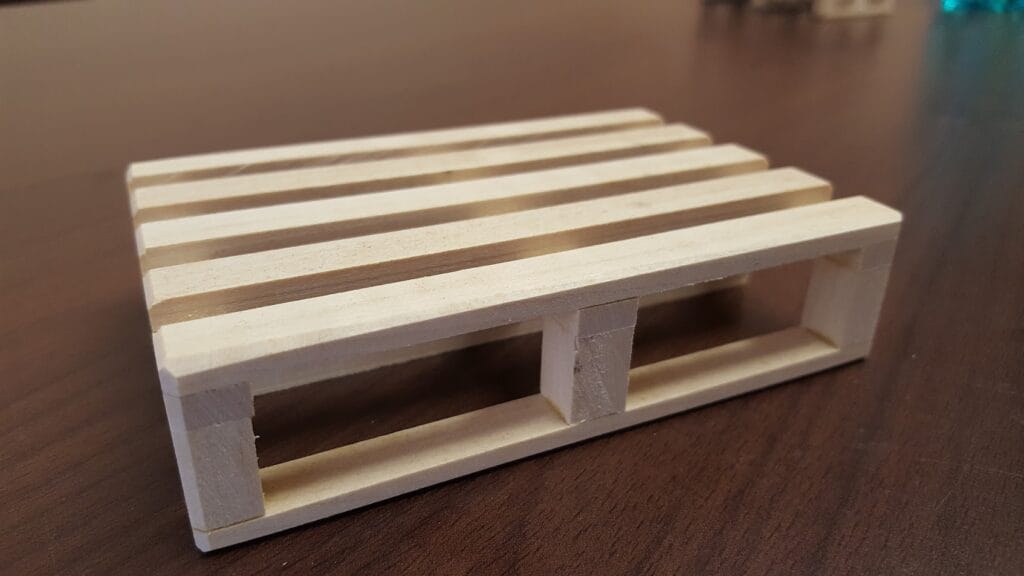
A pallet is a portable platform designed to support goods during transport. It allows easy handling with forklifts, pallet jacks or other lifting equipment.
- Pallets help improve work efficiency.
- They make moving heavy loads a much easier task.
- They reduce the risk of workplace accidents.
Types of pallets and their well-defined roles. Based on this, see what you need for your business
Pallets come in different formats and are made of various materials, although wooden products are the best known. Each of them is suited to a particular application. How do you choose the right pallet for your business? Here is what you need to know:
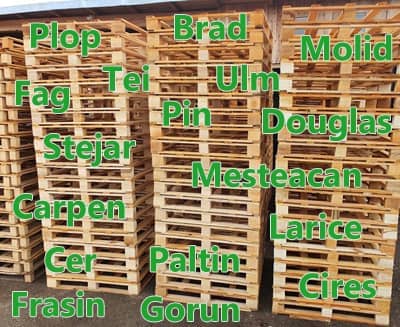
- Wooden pallets. One of the best-known and most widely used categories of pallets, accounting for 90-95% of the market. This type of Euro pallet is durable, cost-effective and easy to repair and maintain. That is why wooden pallets are preferred and ideal for heavy loads. However, there is one thing you should know about this type of pallet: it can be more prone to damage. In addition, wooden pallets are much harder to clean than any other type of pallet.
- Plastic pallets. Light, durable and much more resistant to moisture and chemicals, plastic pallets are preferred in certain industries, such as pharmaceuticals, food and chemicals. However, these products also come with certain considerations. Yes, they last longer and are more hygienic and easier to clean. On the other hand, they are somewhat more expensive and can deform under excessive weight. That is why they should be chosen precisely for the sectors whose demands they can handle.
- Custom pallets(non-standard). These are designed for specific applications, such as transporting beverage containers, or for other business sectors. They are non-standard because they differ from the standard dimensions of traditional pallets – 800×1200, 1000×1200 and 600×800 mm.
How do you choose the right pallet for your business? There are a few simple steps to follow:
- Load capacity. Make sure the pallet can support the required weight without compromising the structural integrity of the load. Overloaded pallets can lead to product damage and safety risks in the workplace.
- The pallet must be compatible with your handling equipment, including forklifts and pallet trucks.
- Cost vs. longevity. Plastic pallets may cost more, but they last longer and can help you make significant savings.
- Life cycle and maintenance. Wooden pallets require occasional repairs, while plastic pallets offer longer life cycles with less maintenance.
Do you now have the information you need to make a wise decision? If you still need advice, or would like to order new or second-hand pallets for your business, feel free to contact us!