
The transport industry is a thriving sector today – one that has kept developing and now has established standards and procedures. This is also how it shows that work is done at a professional level.
It is easy to see that transport safety matters today. Euro pallets can make the difference, which is why they are a standard in this field. Below we explain more about them, what types of goods can be transported on pallets and Euro pallets, and why palletised deliveries are safer.
The Euro pallet and how it differs from an ordinary pallet
The Euro pallet is a standardised pallet with specific dimensions of 1200×800 mm. It is made according to clear specifications regulated in this field. It is also worth mentioning that, as a result, it is used and recommended throughout Europe and accepted by all logistics companies.
Here are the differences compared with standard pallets:
- It is standardised. The Euro pallet has specific dimensions.
- It is durable and stronger, so it can withstand more cycles of use.
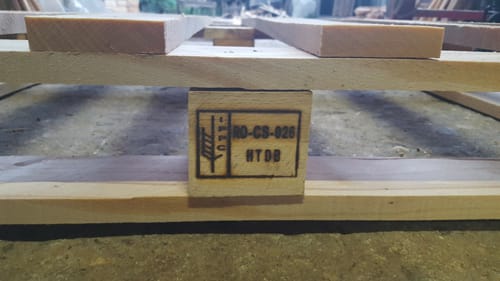
- Euro pallets are marked and traceable.
As for the types of goods that can be transported on Euro pallets, they cover a wide range of products: from food to drinks (especially in multipacks), from building materials to industrial and electrical/electronic products (especially large ones), all kinds of consumer goods, furniture, equipment and tools.
Did you know…
…that palletised transport is safer? It reduces the risk of damage and makes goods easier to handle, which also speeds up loading and unloading.
How do you choose the right Euro pallets for shipping?
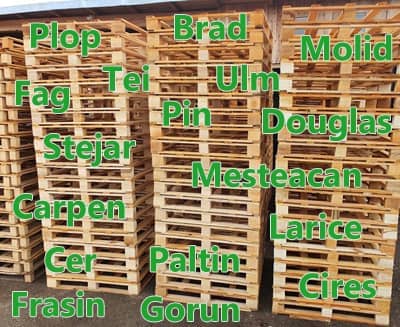
Although Euro pallets are standardised, this does not mean they are identical, for example in terms of material. They have different degrees of wear resistance.
Your choice should take into account:
- The type of goods transported – solid wood pallets are recommended, especially for heavy, bulky goods. For lighter products or flexible packaging, reusable pallets are sufficient. For more fragile products, bear in mind that the Euro pallet is stable and allows the load to be secured.
- The number of uses. For one-off deliveries, second-hand pallets in very good condition can also be useful. In general, however, opt for new, certified pallets.
- For international transport – of food products, for example – Euro pallets must also be heat treated and comply with the ISPM 15 standard.
Last but not least, we recommend checking that the Euro pallets suit your loading equipment, taking into account the dimensions of the truck and the storage space. In terms of budget and sustainability, wooden pallets are affordable and reusable, while plastic ones are more expensive but lighter, easy to clean and moisture-resistant – suitable for industries such as pharma and food.
Choose quality Euro pallets adapted to your logistics needs. Although they may seem like a detail, they make the difference between a successful shipment and one with losses.
Instead of a conclusion
Euro pallets are a preferred logistics solution because they are standardised, efficient and safe. Especially today, with such strong competition among companies in the sector and a business environment where fast delivery is a must (fast, but also safe), choosing Euro pallets will make a difference. We recommend this logistics solution.